
When the power goes out, it’s tempting to think a small, portable generator will do the trick. They're less expensive (but still not cheap), easy to buy at your local hardware store, and seem like a quick fix. But while they might power a few appliances in a pinch, portable generators fall far short when it comes to protecting your home, your safety, and your long-term peace of mind.
At Guardian Home Generators, we specialize in whole-home backup systems because we know what's truly required to keep your household running reliably. We get a lot of requests for portables, and could get more customers and more sales. But I won't install something on someone else's home I wouldn't put on my own. In this blog, we break down the risks and limitations of portable generators—and why I don't believe they are worth the gamble.
1. Portable Generator Safety
Perhaps the biggest concern with portable generators is safety. These machines are notorious for causing carbon monoxide (CO) poisoning, fires, and electrocution if not used perfectly.
- Carbon Monoxide Risk: Portable generators produce extreme, often lethal levels of carbon monoxide (CO) comparable to hundreds of cars, making strict outdoor placement (20+ feet away) essential. Conversely, whole-home standby generators, which usually run on cleaner-burning natural gas or propane, are installed permanently outside and typically emit less CO than small, gasoline-powered portables.
- Fire Hazards: Improper fuel storage, refueling spills, and overloading circuits and cables can lead to electrical fires. This is why portable units are required to be further from your home than a permanent system.
- Shock and Electrocution: In wet conditions or without proper grounding, portable generators pose a real electrocution risk.
- Storing Dangerous Fuels: Whether it be propane or gasoline, you will want a large amount of fuel on hand. Storage of large quantities can be dangerous.
- WARNING: NEVER run a portable generator near your home and absolutely never in a garage. Portable generators must be a MINIMUM of 20 feet from your home.
Whole home generators, on the other hand, are professionally installed, code-compliant, and fully enclosed, significantly reducing all of these risks.
2. They Don’t Power Your Whole Home
Portable generators typically produce between 3,000–8,000 watts—enough to power a few lights and appliances. But they can’t handle your HVAC system, electric water heater, oven, or other critical home systems. That means during a major outage, your comfort and safety are still at risk.
With a properly sized backup generator from Guardian, your entire home stays operational—including heating, cooling, medical devices, Wi-Fi, refrigerators, and more.
3. Manual Setup During an Emergency
Portable generators require manual setup every time the power goes out. That means:
- Pulling the generator out of storage and setting up, often 30 minutes or more
- Setting it up and refueling during severe weather, rain, or in the dark
- If you don't have an inlet with an Interlock kid, running extension cords through windows or doors
- Monitoring fuel levels and engine operation
This isn’t just inconvenient—it’s dangerous during storms, hurricanes, or freezing temperatures. By contrast, Guardian’s whole home systems switch on automatically within seconds of an outage, keeping you protected without lifting a finger.
4. Short Lifespan and High Maintenance
- Portable generators are not built for long runtimes or repeated use
- Require frequent refueling during extended outages
- Should be stored with an empty gas tank
- Require you to run them quarterly, which can require fueling, then removing fuel
- Often require frequent oil changes, struggle under load, and wear down quickly.
In contrast, Guardian’s standby generators are engineered for durability—with weekly self-running tests and long-term reliability built in.
5. They Rely on Gasoline or Small Propane Tanks, Which May Not Be Available
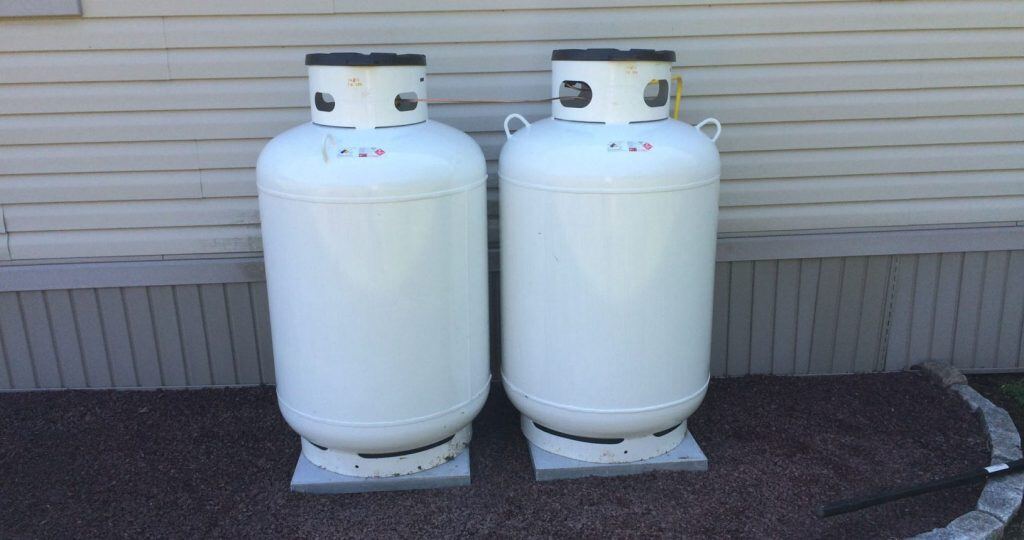
Portable generators run on gasoline or propane tanks, which become scarce during emergencies. Long lines at gas stations (or stations without power to pump fuel) can leave you stranded. Our whole home generators run on natural gas or large permanent propane tanks, which are either piped in or stored in larger containers, offering greater energy security.
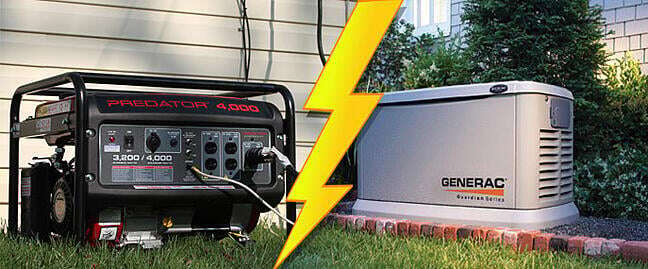
Comparison Chart
| Feature | Portable Generator | Whole Home Backup Generator |
|---|---|---|
| Power Capacity | Limited – powers only a few appliances | Full home – powers HVAC, lights, fridge, and more |
| Startup | Manual setup required during outage | Automatic – starts within seconds of a power failure |
| Reliability | Manually test and start your generator 3 to 4 times per year. Portables often fail to start when you need them most. Shorter lifespans. | Automatic, weekly test cycles with WiFi alerts to you phone of errors in real-time. A whole home system can last up to 25 years. |
| Fuel Source | Frequent refueling or replacement of small fuel tanks. Gasoline, natural gas, or propane often must be refilled multiple times during an outage, typically in hazardous or adverse conditions. | An unlimited natural gas supply or propane tanks that can last 3 to 7 days |
| Safety | High risk of carbon monoxide, fire, and electrical hazards | Professionally installed, enclosed, and code-compliant |
| Convenience | Requires cords, refueling, and monitoring | Seamless, hands-free automatic operation |
| Noise Level | Louder operation | Quieter, insulated housing |
| Weather Resilience | Not ideal for wet or extreme conditions | Designed to operate in all weather conditions |
| Installation | No installation – temporary setup | Permanently installed and integrated with home system |
| Cost | Lower upfront cost but limited performance | Higher initial investment, greater long-term value |
Why Guardian Home Generators Recommends Whole Home Solutions
We know your home is more than just a structure—it’s where your family lives, works, and stays safe. That’s why we only install turnkey whole home generator systems designed to provide reliable power for every room, every time.
Our installations are safe, automatic, and custom-tailored to your home. We’ll walk you through fuel options, system sizing, permitting, and ongoing service—so you're never left in the dark.
Don’t Gamble with Portable Power
Portable generators may seem convenient in the short term, but they come with major compromises in safety, comfort, and performance. Let Guardian Home Generators show you a better way to stay powered and protected.
Contact us today for a free consultation and discover the benefits of a whole-home backup power generator.