
BLUF (Bottom Line Up Front)
A weekly generator exercise mainly keeps the engine components lubricated and confirms the generator can start and run. In most cases, it does not transfer power to the home, produce electrical load, or fully test the transfer switch under real operating conditions. Periodic power failure testing helps verify that the entire standby system is ready for an actual outage, especially during high-demand Texas weather conditions.
What Is a Generator Exercise Cycle?
A generator exercise cycle is a scheduled automatic startup programmed into your standby generator controller. During this cycle, the generator starts automatically and runs for a short period of time to help verify basic operation.
On most modern residential standby generators, this happens once per week.
The purpose of the exercise cycle is to:
- Circulate engine oil
- Keep seals and internal engine components lubricated
- Verify the starter system works
- Run basic self-diagnostics
- Confirm the engine can start and operate normally
If your generator is exercising consistently on schedule and showing a green status light, that is a good sign. But it does not mean the entire standby power system has been fully tested.
What Exercising Does Not Test
Most standard weekly exercise cycles do not transfer power to the home.
That means the following critical components may never actually be tested during the weekly exercise:
- Automatic transfer switch operation
- Utility power sensing
- Generator load handling
- HVAC or appliance starting loads
- Full communication between the ATS and the generator
- Ensure adequate fuel supply running under load
In other words, the generator engine may start and run perfectly every week while the actual backup power system still has a hidden problem.
A standby generator system is more than just the engine outside. The transfer switch is equally important.
What “Exercising” a Home Standby Generator Really Means
Most homeowners hear their generator turn on once a week and assume the system is fully tested and ready for the next outage.
That is only partially true.
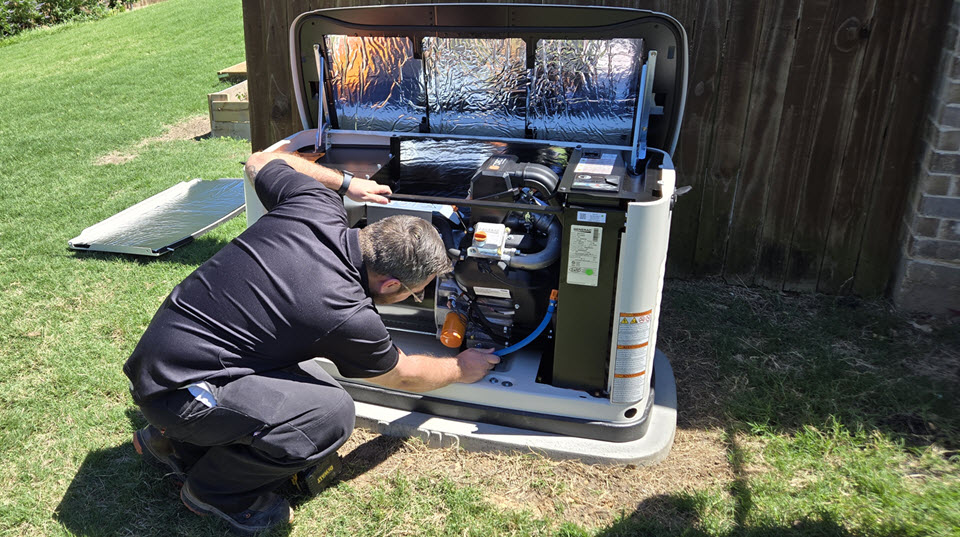
At Guardian Home Generators, we occasionally find situations where a generator has been exercising normally for months, but a minor issue with the transfer switch, communication system, or load transfer process was not discovered because the system had not recently performed a full power transfer test. While this is not common, periodic testing under real operating conditions helps confirm that the entire standby system is functioning as designed.
This is especially important in Texas, where electrical demand can vary significantly throughout the year. A generator may perform differently during mild spring weather than it does on a 105-degree summer afternoon with multiple air conditioners, pool equipment, kitchen appliances, and other household loads operating simultaneously. For newer generator owners who have not yet experienced a long-duration outage, performing occasional transfer tests under normal household conditions can help verify the system is ready for real-world operation when it matters most.
Why a Power Failure Test Matters
A true power failure test simulates an actual outage.
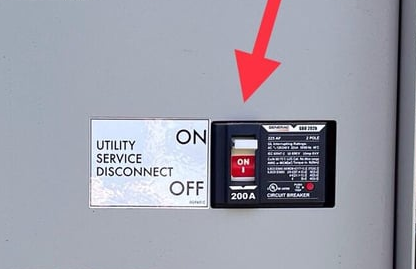
This is typically done by shutting off utility power at the transfer switch, allowing the automatic transfer switch (ATS) to command the generator to start and transfer the home onto generator power.
This process verifies the entire system works together correctly.
A proper power failure test confirms:
- The ATS properly detects utility loss
- The generator receives the start command
- The generator reaches correct voltage and frequency
- The transfer switch transfers the home safely to generator power
- The generator handles actual household electrical loads
- The system properly retransfers back to utility power afterward
This is the closest test to a real outage scenario.
How Often Should a Power Failure Test Be Performed?
For most residential standby generators, Guardian Home Generators recommends performing a true transfer test periodically throughout the year, especially before major storm seasons and before winter weather events.
We include this as part of our regular preventative maintenance service.